

Struggling to Drive at Night in Utah’s Darker Autumn Months? What Glare and Halos Really Mean
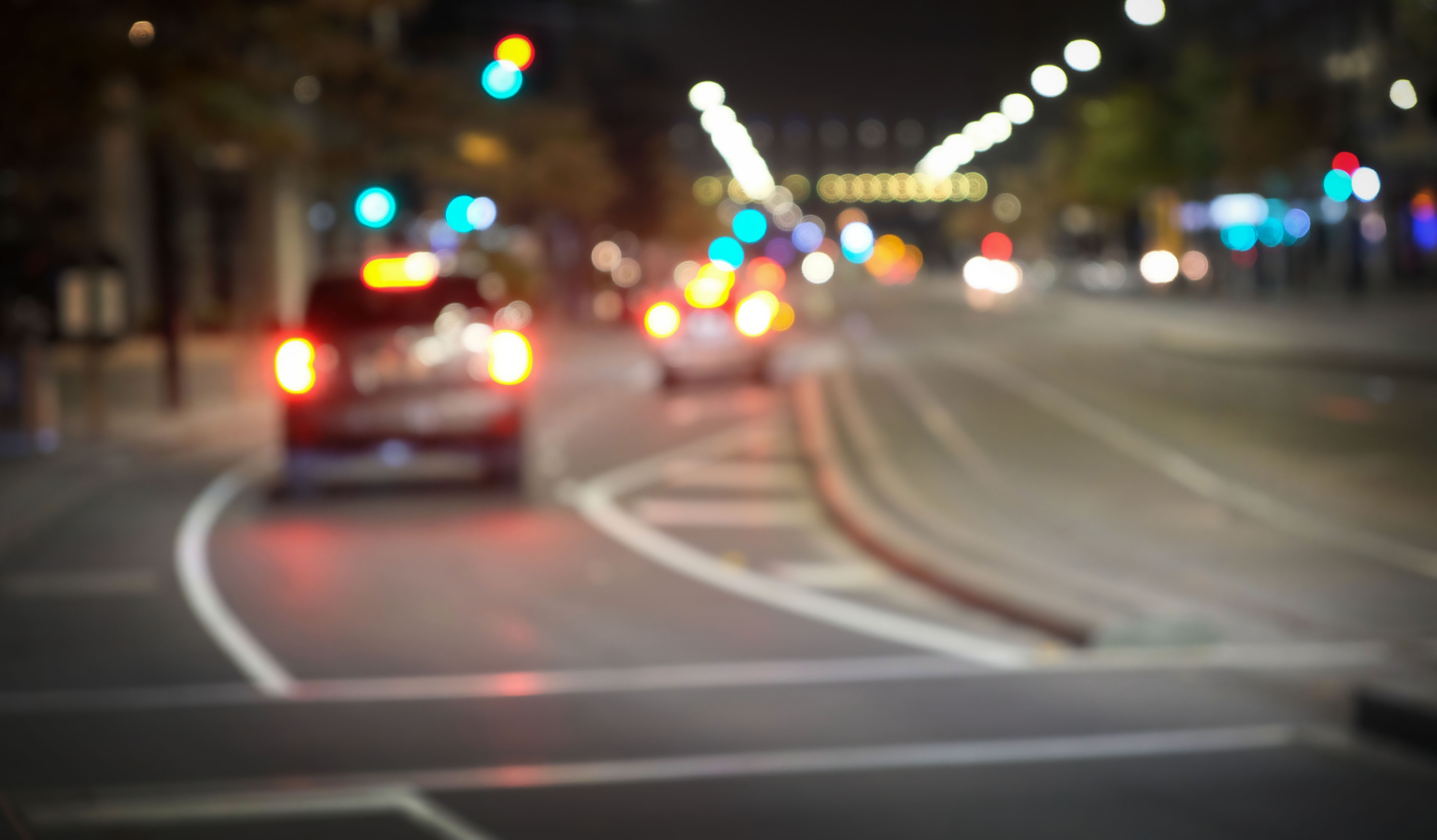
As autumn days grow shorter in Utah, many drivers in Lehi, Saratoga Springs, and Vineyard find themselves traveling after sunset more frequently. If oncoming headlights seem unusually bright or streetlights appear surrounded by glowing rings, you may be experiencing nighttime glare or halos. While some light sensitivity is common, persistent glare and halos can indicate an underlying vision problem. Understanding what causes these symptoms can help you determine when it's time for an eye exam.
What Are Glare and Halos?
Glare occurs when bright light interferes with your ability to see clearly. It can make headlights appear excessively intense or temporarily wash out nearby objects.
Halos appear as glowing circles or rings around light sources, particularly headlights and streetlights. Some drivers also experience starbursts, where light appears to spread outward in several directions.
These effects often become more noticeable in low-light conditions when the pupils naturally enlarge. However, frequent or worsening symptoms may indicate a vision or eye health concern.
Common Causes of Glare and Halos While Driving at Night
Several eye conditions can contribute to difficulty driving after dark, including:
• Astigmatism: An irregularly shaped cornea or lens can distort light, causing blurry vision, streaks, or starburst effects around headlights.
• Outdated Eyeglass Prescriptions: Even small changes in your prescription can affect nighttime clarity, especially when identifying road signs and distant objects.
• Dry Eye Syndrome: An unstable tear film can scatter light, leading to fluctuating vision and increased glare. Utah's dry autumn air and indoor heating may aggravate symptoms.
• Cataracts: Clouding of the eye's natural lens can scatter incoming light, making headlights appear brighter and creating halos.
• Corneal Irregularities: Certain changes in the cornea can affect how light enters the eye, contributing to glare and distorted vision.
Because these conditions require different treatments, a comprehensive eye exam is important for identifying the cause.
How Can You Reduce Glare While Driving at Night?
Improving nighttime visibility often begins with a few practical adjustments. Keeping your windshield, eyeglasses, and headlights clean can minimize unnecessary reflections. Updating an outdated prescription may also improve clarity when driving after sunset.
At Alpine Vision Center, we offer anti-reflective lens coatings designed to reduce reflections from eyeglass surfaces. These coatings may improve visual comfort during nighttime driving, although they cannot correct glare caused by an underlying eye condition.
When Should You Schedule an Eye Exam?
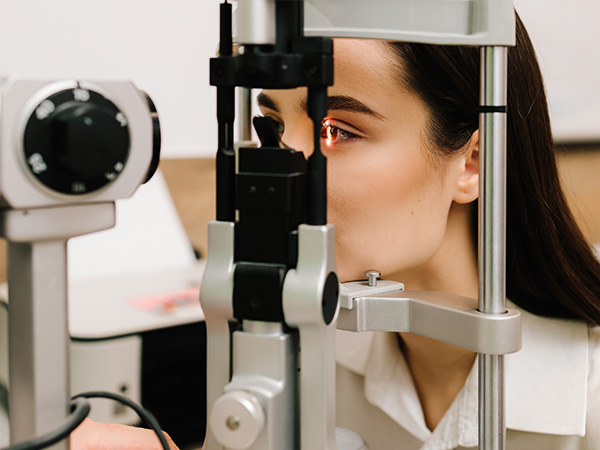
If nighttime driving has become increasingly uncomfortable, don't assume it's simply part of getting older. Our comprehensive eye exams evaluate visual clarity, prescription changes, and overall eye health. We can assess potential contributors to nighttime glare, including cataracts, refractive errors, and tear film problems, and recommend appropriate next steps.
Don't let nighttime glare and halos affect your confidence behind the wheel. Schedule a comprehensive eye exam at Alpine Vision Center to explore personalized solutions. Contact our office in Lehi at (801) 756-7150, Saratoga Springs at (801) 768-1900, or Vineyard at (801) 396-0443 to book an appointment.


© 2026 Alpine Vision Center. All rights Reserved. Accessibility Statement - Privacy Policy - Sitemap
Managed and Designed By
